What to Look for in a Local Wedding Photographer
Planning a wedding means making a long list of decisions, and near the top of that list is who will photograph the day. It is one of the few investments that lasts beyond the celebration itself. When couples start searching, they often begin with a local wedding photographer because proximity matters for timelines, for venue scouting, and for that sense of community that makes the working relationship smoother. But finding the right fit takes more than a quick scroll through a gallery.
I have spent years behind a camera at weddings of all sizes, and I have seen what works and what does not. The difference between photos you pull out for decades and images that sit untouched in a digital folder often comes down to choices made before the wedding day even starts. Here is what I have learned about choosing someone who can deliver the real thing.
Experience with Your Venue and Local Conditions
A photographer who knows the local area brings practical advantages that are easy to overlook. Light behaves differently in a mountain setting than it does in a downtown ballroom. A reception hall with tall windows at golden hour creates one kind of opportunity; a dark indoor venue with low ceilings requires a completely different approach. A local wedding photographer has likely shot at your venue before, or at least at similar spaces nearby. That familiarity means they already know where the best light falls at 4 p.m. and where to avoid harsh shadows.
Local knowledge also extends to weather patterns and seasonal changes. In the Tri-Cities area, for instance, spring brings blooming dogwoods and a soft green light, but also the chance of an afternoon shower. A photographer who has worked those conditions knows how to adapt without missing a beat. They carry backup plans for outdoor ceremonies and know a few sheltered spots for portraits when the weather shifts.
Style That Feels Like You
Photography styles vary widely. Some shooters lean heavily on posed, formal portraits with careful lighting and structured compositions. Others work in a documentary style, capturing moments as they unfold with minimal intervention. Neither is better in an absolute sense, but one will likely suit your personality more than the other.
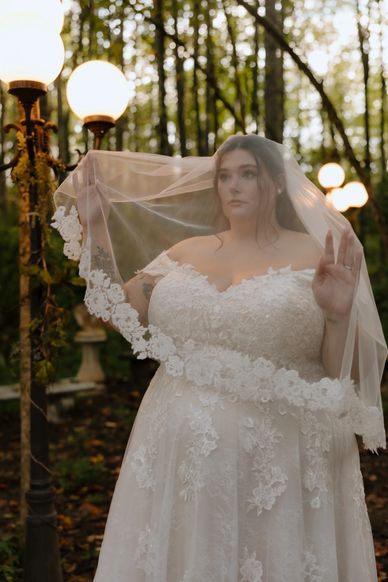
When you look through a portfolio, pay attention to how the subjects look. Do they seem relaxed or stiff? Are the candid shots full of genuine laughter or do they look like staged reactions? A good local wedding photographer will have a consistent style that runs through their work, not a random mix of looks. If you want images that feel natural and unforced, find someone whose gallery makes you feel like you are peeking into real moments, not watching a performance.
Reliability and Professionalism
Weddings run on tight schedules. A delay in photography can throw off the entire day. Professionalism shows up in small ways: arriving early, communicating clearly about timelines, and having backup equipment ready. When you meet a potential photographer, notice how they handle logistics. Do they ask about the schedule? Do they want to see the venue layout? Those questions indicate someone who treats the day with the seriousness it deserves.
Contracts matter too. A thorough contract protects both sides and shows that the photographer runs a real business. It should cover what happens if equipment fails, how many images you can expect, and the timeline for delivery. If a photographer hesitates to put things in writing, that is a red flag.
Personality and Comfort Level
You will spend more time with your photographer on your wedding day than with any other vendor besides your partner. That means chemistry matters. Someone with a warm, easygoing manner can put nervous family members at ease. A photographer who is overly directive or who disappears into the background too much might miss important interactions.
During the consultation, pay attention to how they talk about past weddings. Do they seem genuinely invested in their clients’ stories? Do they ask about your preferences or just talk about their own approach? The best local wedding photographers treat each wedding as a unique event, not just another job on the calendar.
What to Look for in a Portfolio
A portfolio is the photographer’s best advertisement, but it helps to know what to examine closely. Look for consistency across different weddings. A single stunning image can hide a lot of average work. Check the lighting in group shots, the sharpness of candid moments, and how the photographer handles challenging conditions like mixed indoor lighting or direct sun.
Pay attention to details too. Do the rings look sharp? Are the bouquet colors accurate? Little things like that show attention to craft. Also look for a range of moments: the quiet ones, the chaotic dance floor shots, the emotional family hugs. A photographer who captures all of it shows versatility.
.jpg/:/cr=t:0%25,l:0%25,w:100%25,h:100%25/rs=w:388,cg:true)
Here are a few quick checks when reviewing portfolios:
- Look at full weddings, not just highlight reels, to see how the photographer handles an entire day.
- Check for consistent exposure and color across different lighting conditions.
- See if the subjects’ expressions look natural or posed.
- Notice whether the photographer captures genuine emotion or just staged smiles.
- Ask for a full gallery from a recent wedding that looks similar to yours in size and setting.
Budget and Packages
Wedding photography pricing varies widely based on experience, travel, and what is included. Some photographers offer all-day coverage with a second shooter; others work solo for a set number of hours. Understand what you are paying for. A lower price might mean fewer edited images, no backup photographer, or a longer delivery window. A higher price often reflects experience, equipment quality, and peace of mind.
When comparing options, think about what matters most to you. If you want every moment from getting ready through the reception, all-day coverage is worth the investment. If you only care about the ceremony and formal portraits, a shorter package might work. A good local wedding photographer will be transparent about what each package includes and will not pressure you into extras you do not need.
Reading Reviews and Getting Referrals
Online reviews offer a window into how a photographer works with clients. Look for comments about responsiveness, timeliness, and how the photographer handled unexpected situations. A few negative reviews are not necessarily a dealbreaker, but pay attention to patterns. If multiple people mention late delivery or poor communication, take it seriously.
Word of mouth carries weight too. Friends or family who have worked with a photographer can give you honest feedback about the experience. Venue coordinators and other wedding vendors often have strong opinions about which photographers are reliable and easy to work with. If you hear the same name from multiple sources, that is a good sign.
Connect with us on Pinterest.
Trusting Your Instincts
At the end of the day, choosing a photographer comes down to trust. You need to believe they will capture the day as it truly was, without turning it into something artificial. If after talking with them you feel confident and excited, that is a strong indicator. If something feels off, even if you cannot name it, keep looking.
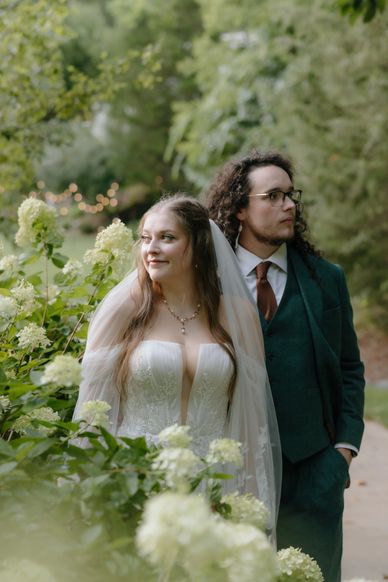
The best images come from a collaboration where both sides feel comfortable. When you find a local wedding photographer who listens, who understands your vision, and who brings real skill to the table, the results will speak for themselves.
Captures by Chloe Kingsport Photographer, based at 5613 Carters Vly Rd, Church Hill, TN 37642, USA, and reachable at +1 423-302-0594, offers wedding, family portrait, and real estate photography services rooted in the Tri-Cities area.